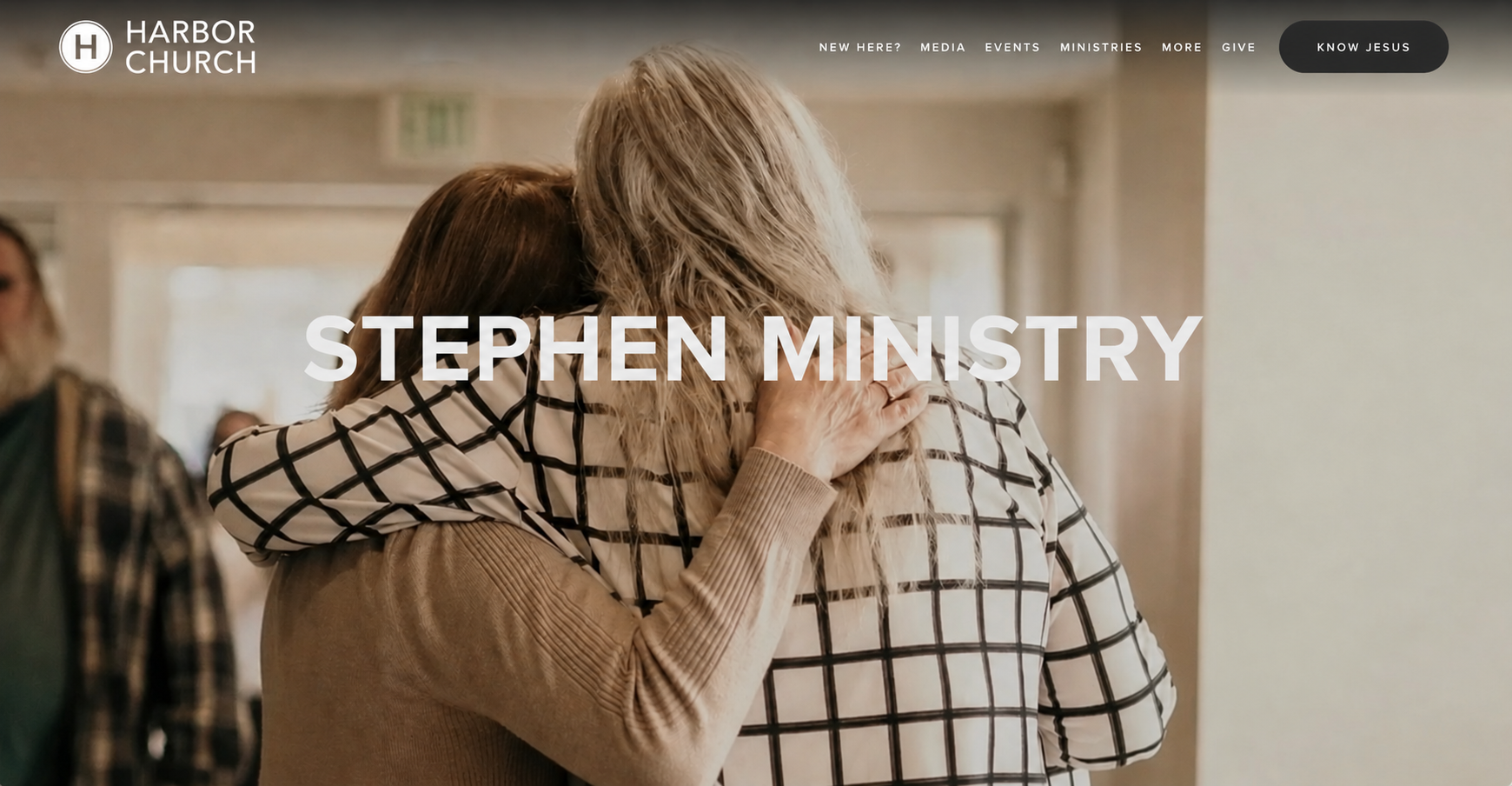
You Don't Have to Walk Through Difficult Seasons Alone
What does a Stephen Minister Do?
Stephen Ministry was founded in 1975 by Lutheran pastor Kenneth C. Haugk to equip trained laypeople to provide confidential, one-to-one Christian care for those experiencing life's challenges. Since then, it has grown into an international ministry serving thousands of churches across many Christian denominations. Harbor Church is honored to partner with Stephen Ministry and offers this trusted, Christ-centered caregiving ministry to individuals in our church family and community who are navigating difficult seasons of life.
A Stephen Minister is a trained lay caregiver in a church who provides confidential, one-to-one emotional and spiritual support to someone who is going through a difficult season of life. Stephen Ministers are not counselors, therapists, or problem-solvers. Their primary role is to listen, support, encourage, pray, and walk alongside someone who is hurting. Common situations where a Stephen Minister may provide care include, but are not limited to the following:
Grief after the death of a loved one
End-of-life or hospice situation
Difficult family situations
Divorce or separation
Challenges related to trying to start or add to a family
Chronic illness or caregiving stress
Job loss or financial hardship
Loneliness or isolation
Hospitalization or recovery from surgery
Life transitions, such as retirement or relocation
Spiritual struggles or emotional distress
-
Each Stephen Minister is matched with one care receiver of the same gender. The two meet in person, typically once a week for about an hour, in a setting they have both agreed on. The caring relationship will be brought to a close when the need has been addressed.
-
Stephen Ministers are well-trained, supervised volunteers who receive at least 50 hours of training and attend bi-monthly continuing education training and supervision, which enables them to provide high-quality care and support.
-
A Stephen Minister’s care is an expression of Christ’s love and an extension of the pastoral support of this congregation. When it comes to spiritual matters, Stephen Ministers meet their care receivers where they are, helping them work through challenges without pressuring them or forcing faith on them.
-
Stephen Ministers provide care by listening, praying, and helping their care receiver explore their feelings without judgment, while offering emotional and spiritual support. Their role does not include providing other types of assistance—such as financial or monetary support, shopping, transportation, childcare, and other types of help in these areas—although at times they may help care receivers identify ways to meet those needs. Stephen Ministers provide compassionate listening, spiritual support, and are fully present to emotional processing with their Care Receiver. However, they are not a substitute for professional mental health care. A referral to a licensed therapist or other qualified professional may be appropriate when someone shows signs of significant depression, anxiety, trauma, addiction, suicidal thoughts, abuse, or any condition that may require a mental health diagnosis with recommended treatment. When deemed necessary, a Stephen Minister will collaborate with a Care Receiver to make a professional referral for issues that persist beyond the minister’s training.
Responses to Specific Concerns
-
People often find it hard to accept help, even when they really need it, because they expect themselves to be able to handle it on their own. But the reality is that people do much better when they have additional support and care from a Stephen Minister. This is something you don't have to handle on your own.
-
Stephen Ministers are highly trained and supervised to provide care in a wide range of situations. They go through a minimum of 50 hours of training to learn important caregiving skills and ways to apply those skills to different needs, and they are supervised and attend continuing education to build upon those skills.
Stephen Ministers provide compassionate listening, spiritual support, and are fully present to emotional processing with their Care Receiver. However, they are not a substitute for professional mental health care. A referral to a licensed therapist or other qualified professional may be appropriate when someone shows signs of significant depression, anxiety, trauma, addiction, suicidal thoughts, abuse, or any condition that may require a mental health diagnosis with recommended treatment. When deemed necessary, a Stephen Minister will collaborate with a Care Receiver to make a professional referral for issues that persist beyond the minister’s training.
-
Stephen Ministry doesn't replace the care the pastor provides; it adds to it. While your pastor continues to provide pastoral care, our highly trained Stephen Ministers can offer regular, individualized support and encouragement, giving you an additional source of care with compassion during your toughest times. The pastor is always there for you, but we now have other highly skilled caregivers who can give you the focused, ongoing, high-quality care you need, in addition to the care the pastor can provide.
-
Stephen Ministers are often a great source of help for people who tend to be private. Anyone would benefit from having someone to share openly with, knowing it will all remain confidential. Many people have said that with their Stephen Minister, they feel free to share thoughts and feelings that they probably wouldn’t bother their closest friends with.
-
A strong commitment to confidentiality is an absolute prerequisite for serving as a Stephen Minister. We only select people to become Stephen Ministers who are willing and able to keep their caring relationships confidential. On top of that, Stephen Ministers receive extensive training on the subject, going in depth into why confidentiality is important and how to maintain it in a variety of situations.
Your care is kept confidential, and only your Stephen Minister and the Stephen Ministry Intake Leader will know you are receiving care. The only exceptions are rare situations involving safety concerns, such as when someone may be at risk of harming themselves or others.
-
Supervision focuses on the quality of the caring relationship and the feelings of the Stephen Minister. Stephen Ministers don't share the names of their care receivers, and they're careful not to mention details that could lead others to identify their care receiver.
The only time a Stephen Minister would ever share confidential information is in extraordinary circumstances when the safety and well-being of the care receiver or someone else is a concern, and then the Stephen Minister would share it only with a few key individuals to get the person the help they need.
-
Stephen Ministers are trained to help care receivers be as comfortable as possible with sharing. Share what you feel able to share, as you are able. Your Stephen Minister will be a non-judgmental and good listener– and a supportive presence who will let you share at your own pace.
Meet the Team
-

Tami Masters - Stephen Leader
-

Steve Levin - Stephen Leader
-

Bob Foote - Stephen Consultant
-

Name - Stephen Minister
-

Name - Stephen Minister
Become a Stephen Minister
Stephen Ministers listen, support, encourage, and are trustworthy in the lives of people who are going through a difficult time. Stephen Ministers are not counselors or spiritual directors.
Each Stephen Minister must undergo 50 hours of in- person training, which is a commitment of about five to six months and includes a willingness to complete homework assignments outside of training times. Stephen Ministers then commit to attending bi-monthly in-person supervision/continuing education meetings to maintain Stephen Ministry status. If you are interested in becoming a Stephen Minster, click the button below.
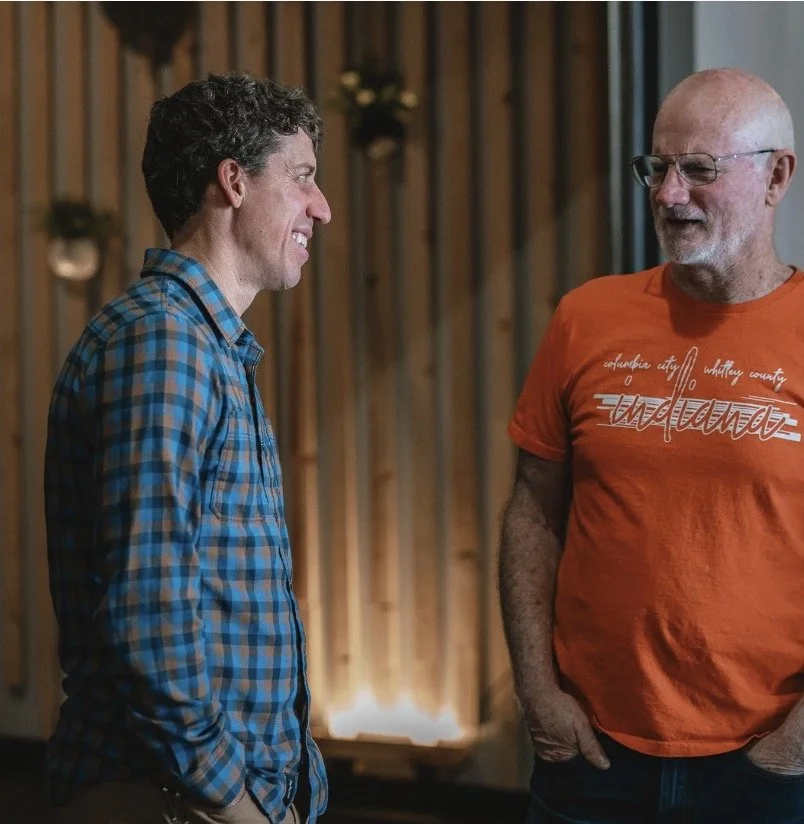
You are not meant to carry burdens alone.
Ready to get started?
Use our Request Care intake form to briefly describe the help you may need. An Intake Referral Coordinator with Stephen Ministry will reach out to you to answer questions.
Have more questions?
If you still have questions that the information above doesn't address, please click the Request More Info button, and the Intake Coordinator with Stephen Ministry will be glad to reach out to discuss this with you.